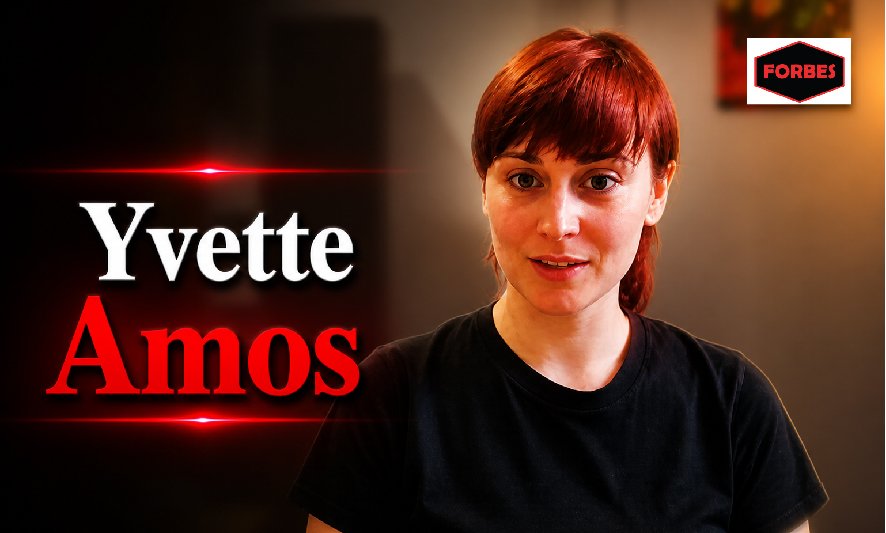

The story of Yvette Amos is one of the most interesting internet moments from the COVID-19 pandemic. She appeared on BBC Wales Today to talk about serious issues like unemployment, but something unexpected in her background made her famous overnight. This moment quickly spread across social media and turned her into a viral name. In this article, you will learn everything about Yvette Amos, her life, her career, and the real story behind the viral interview.
Quick Bio Table
| Category | Details |
| Full Name | Yvette Amos |
| Nationality | British (Welsh) |
| City | Cardiff, Wales |
| Profession | Research & Advisory Work |
| Known For | BBC Viral Interview (2021) |
| TV Show | BBC Wales Today |
| Event Date | January 2021 |
| Topic | Unemployment & COVID-19 |
| Viral Reason | Background object |
| Social Media Impact | Global viral trend |
| Lifestyle | Private |
| Public Appearances | Very limited |
Who Is Yvette Amos?
Yvette Amos is a professional woman from Wales who became famous by accident. Before her viral moment, she lived a normal life and worked in research and advisory roles. She was not a celebrity or influencer.
Her knowledge about social and economic issues led to her invitation on TV. At that time, many people were facing job problems during the pandemic, and Yvette Amos was asked to share her views. This shows that she was invited for a serious reason.
The BBC Interview That Went Viral
In January 2021, Yvette Amos joined a live interview on BBC Wales Today. She spoke from her home using a video call. The topic was about job losses during COVID-19.
While she was speaking, viewers noticed something unusual behind her. On a shelf, there was a personal object that people did not expect to see on TV. This small detail quickly became the focus instead of her message. Within hours, the clip spread online.
How the Internet Reacted
The moment became viral very fast. People shared screenshots and clips on Twitter, Reddit, and Instagram. Many found it funny, while others saw it as a real example of working from home.
The name Yvette Amos started trending globally. News websites and blogs also talked about the moment. This made her one of the most talked-about people at that time, even though she did not plan it.
Memes and Online Culture
After the video spread, users created many memes. The background object became a joke topic on the internet. People made funny captions and shared their own similar stories.
This reaction shows how internet culture works. A small moment can become very big. Yvette Amos became part of online humor, and her clip is still shared today.
Why This Moment Was Important
The story of Yvette Amos is not just about humor. It also shows how people live and work during the pandemic. Many interviews were done from home, and personal spaces became visible.
This moment showed that:
- People are human and make mistakes
- Home life and work life can mix
- Authentic moments feel real to viewers
Because of this, her story has deeper meaning.
Her Professional Background
Even though she became famous for a viral clip, Yvette Amos has a real professional career. She worked in research and advisory roles, helping with social and economic topics.
Her appearance on BBC was based on her knowledge, not entertainment. This is important because many people only remember the funny part, not her expertise.
| Keep Learning: | Lily Meola Net Worth: Music, Money, and Fame |
Life After Going Viral
After the viral moment, many people wanted to know more about Yvette Amos. However, she did not try to become famous or use this attention.
She chose to stay private and continue her normal life. She did not appear often in media after this event. This makes her different from many viral personalities.
Why People Still Search Yvette Amos
The keyword Yvette Amos is still popular today. People search for it because the moment is memorable and easy to share.
It is also connected to:
- Remote work culture
- Funny video call moments
- Pandemic life experiences
This keeps her name relevant even after years.
The Reality of Work From Home
During the pandemic, many people worked from home. This created situations where personal and professional lives mixed together.
The story of Yvette Amos shows how easy it is for something private to become public. It also reminds people to check their surroundings before joining video calls.
Lessons From This Story
There are many lessons we can learn from this event:
- Always check your background before a video call
- Small details can become important
- The internet spreads content very fast
- Real moments connect with people
The experience of Yvette Amos is now used as an example in media and communication discussions.
Media and Public Attention
The media played a big role in spreading the story. News platforms shared the clip, and it reached a global audience.
The name Yvette Amos became known not only in the UK but also in other countries. This shows the power of digital media.
Key Facts About Yvette Amos
- Appeared on BBC Wales Today
- Interview date: January 2021
- Topic: Unemployment during COVID-19
- Became viral due to a background object
- Chose to stay private after fame
These facts help explain her story clearly.
A Human Story Behind the Viral Moment
The story of Yvette Amos is very human. It shows that anyone can become famous by accident. She did not plan to go viral, but the internet made her known.
Her calm reaction and private lifestyle after the event show her personality. She did not try to use the fame but instead stayed true to herself.
Conclusion
The story of Yvette Amos is simple but powerful. A normal TV interview became a global moment because of one small detail. It shows how fast the internet can change someone’s life.
Even today, people remember this moment. It reminds us that real life is not perfect, and sometimes those imperfect moments are the most memorable.
Frequently Asked Questions (FAQ)
1. Who is Yvette Amos?
She is a Welsh professional known for a viral BBC interview.
2. Why did Yvette Amos go viral?
Because of an unexpected object in her background during a live interview.
3. When did the interview happen?
In January 2021.
4. What was the topic of the interview?
Unemployment during the COVID-19 pandemic.
5. What is she doing now?
She lives a private life and stays away from media.